Caspian & Absheron
The sea, the peninsula and the climate that make the beaches of Baku.
A peninsula in the sea
The Absheron peninsula stretches east from Baku and juts into the Caspian Sea for dozens of kilometres. It is an arid, windy land of semi-desert, dachas and oil fields — and at the same time a long band of sandy beaches along the sea.
It is the geography of Absheron that makes Baku a seaside city: the peninsula is surrounded by water on three sides, and from the centre you can reach a beach in half an hour to an hour. The northern and eastern coasts are considered the cleanest and most popular for swimming.
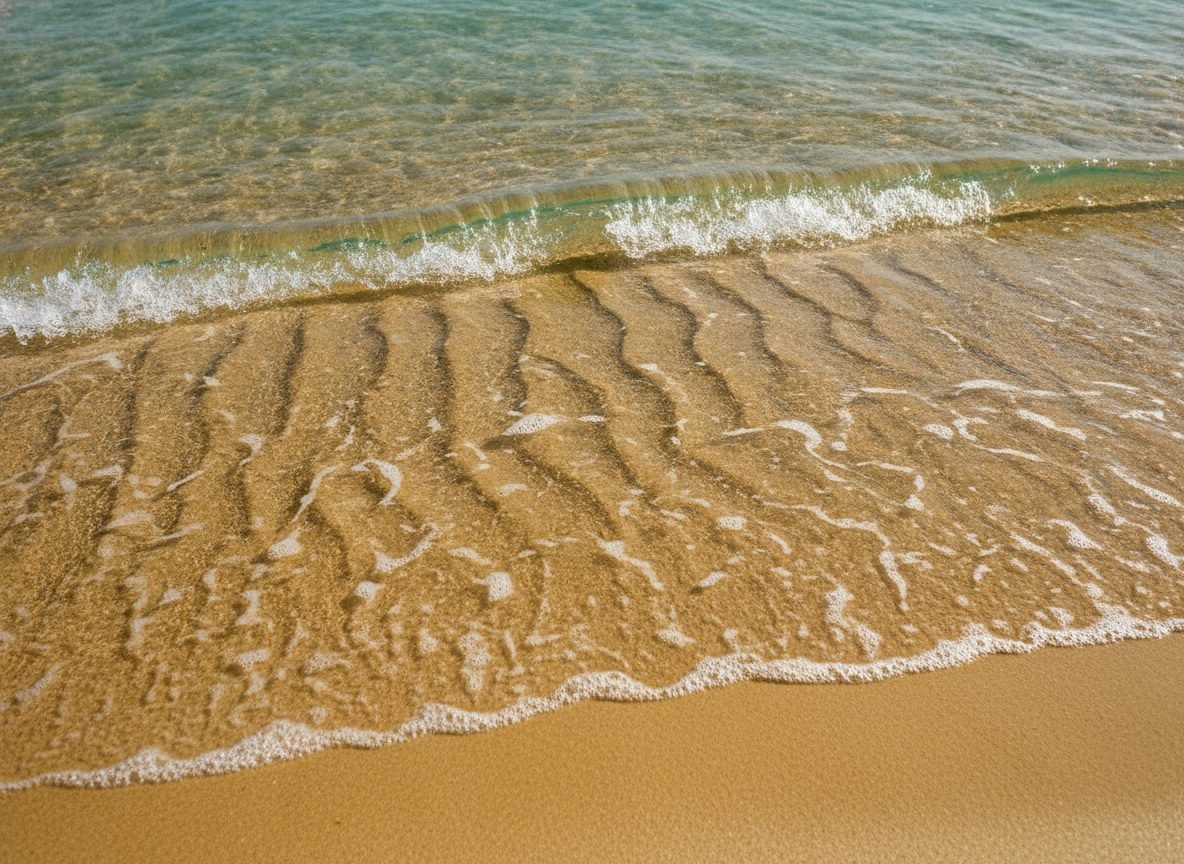
The largest lake on the planet
The Caspian is the world's largest enclosed body of water, called both a sea and a lake. Its surface lies about 28 metres below the level of the ocean. The water is brackish, but it has about three times less salt than the ocean, so the Caspian is gentler on the taste and the skin. There are almost no tides here, and in summer the shallows by Absheron warm up nicely.
The two sides of Absheron
Absheron lived for centuries on oil: fields still operate on the peninsula and in the sea itself, and off some shores old derricks rise from the water. So the oil city has its other side too — clean sandy beaches further north and east, where people go to swim. When choosing a spot it is worth keeping away from the industrial zones.
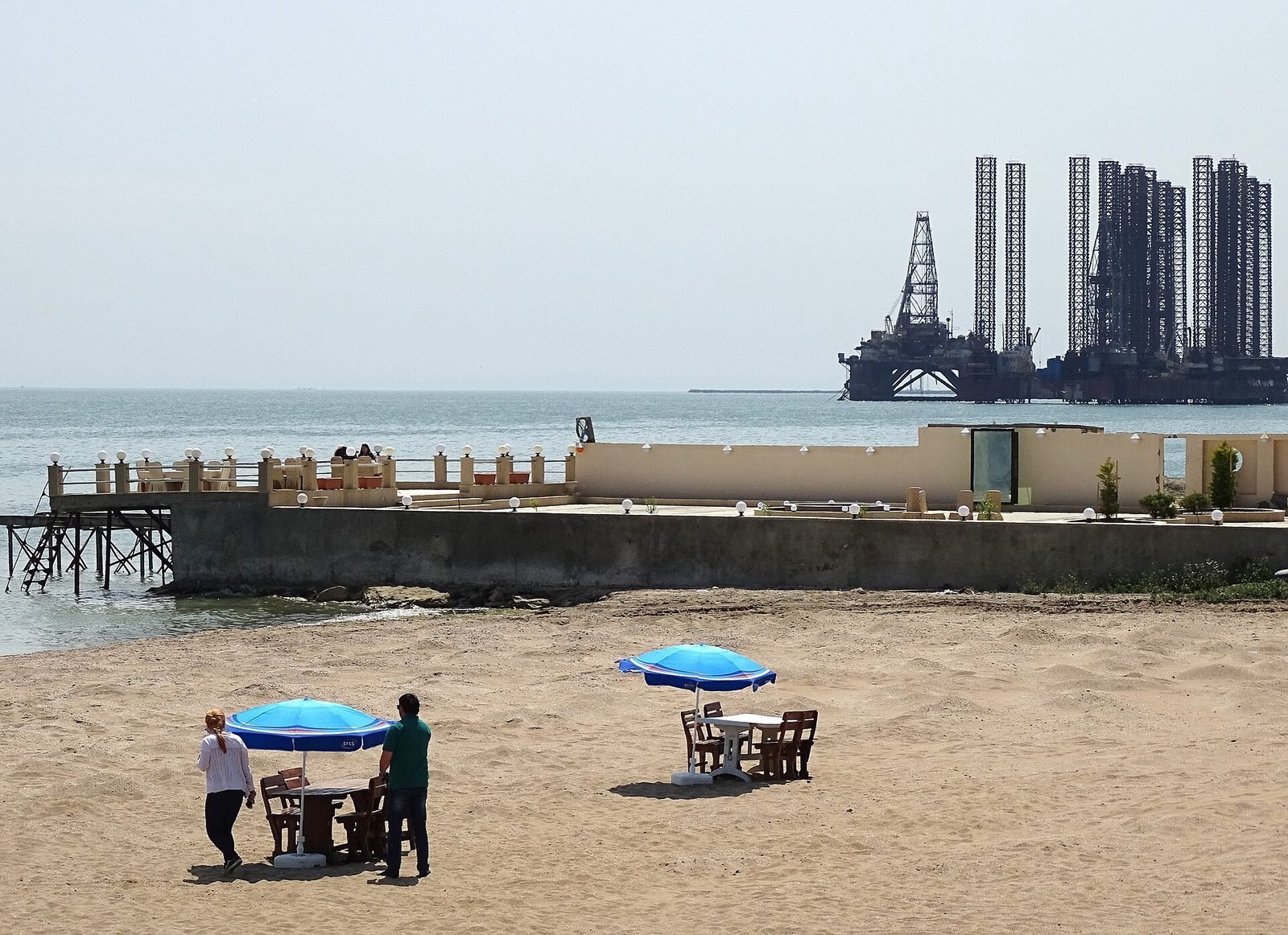
Khazri and Gilavar
The climate of Absheron is dry and windy. Baku is not called the 'city of winds' for nothing: the cold northern Khazri and the warm southern Gilavar blow here. Summer is hot and sunny, with little rain. On days of strong Khazri the sea kicks up waves and grows cooler — the best time for a walk rather than a swim.